
Is sleeping without a pillow healthy?
A good night’s sleep is essential for our overall health and well-being. One of the key aspects of good sleep is maintaining the right sleeping posture. Many people use a pillow to provide comfort and support, but is sleeping without a pillow actually healthy? In this blog post, we delve deeper into this topic and explore the potential benefits and drawbacks of sleeping without a pillow.
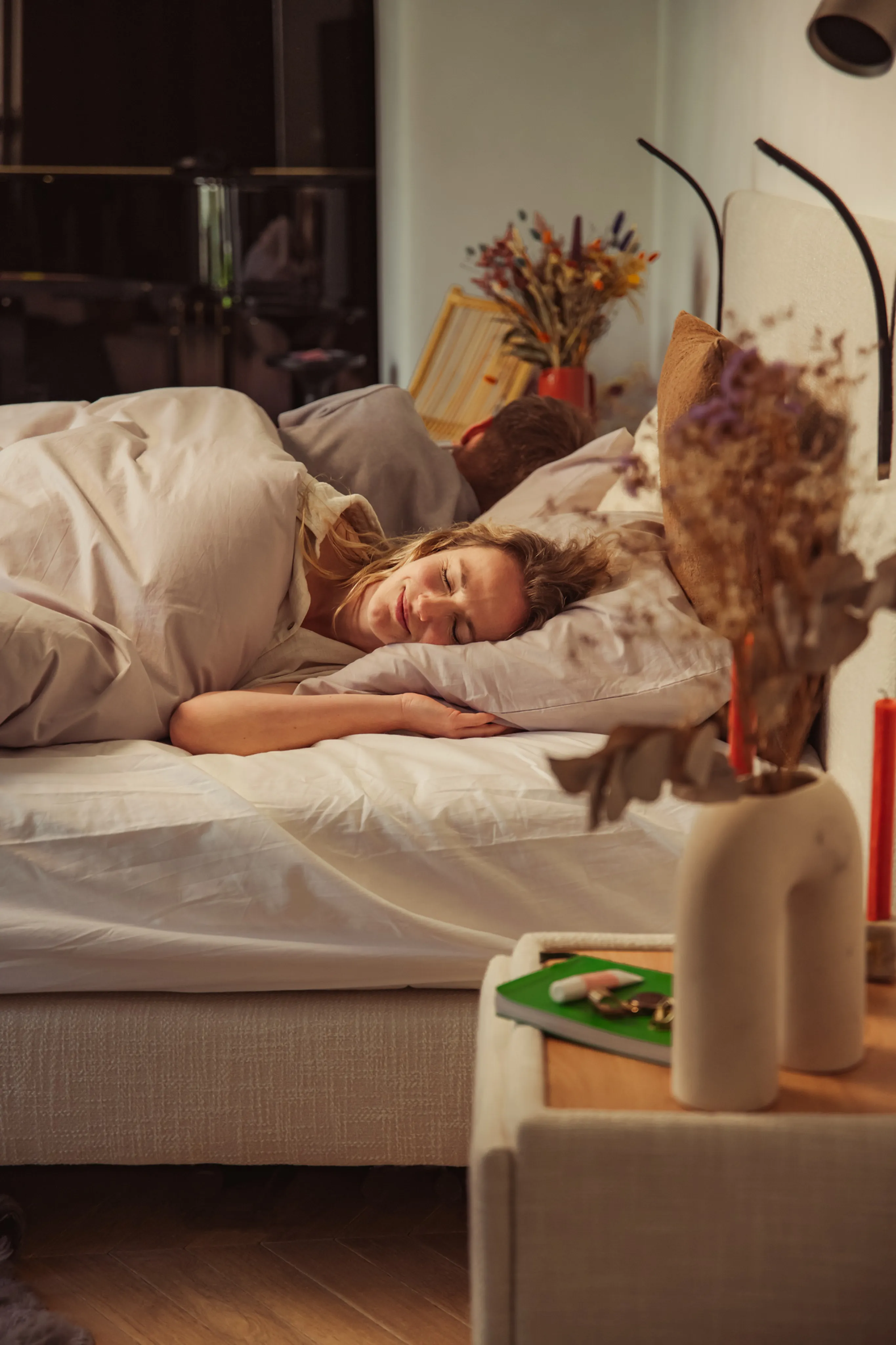
Benefits of sleeping without a pillow:
- Neutral Spine Alignment: Sleeping without a pillow can help maintain a natural and neutral alignment of the spine. Without a pillow, the head, neck, and back are more likely to stay aligned, which can help reduce neck and back pain.
- Improved Blood Circulation: Sleeping without a pillow can improve blood circulation, especially around the neck and head. Since no extra pressure is applied to these areas, the blood flow can move more freely, contributing to healthy circulation.
- Relief from Breathing Issues: Some people experience breathing problems like snoring or sleep apnea. Sleeping without a pillow may help keep the airways open and ease breathing, potentially reducing the symptoms of these conditions and promoting a better night's sleep.
Drawbacks of sleeping without a pillow:
- Lack of Comfort: For many people, a pillow provides comfort while sleeping. Without one, it may be challenging to find a comfortable sleeping position, leading to discomfort.
- Less Support: A pillow provides support for the neck, head, and shoulders. Without a pillow, these parts of the body may not receive enough support, resulting in tension, stiffness, and pain.
- Sensitivity to Pressure Points: Sleeping without a pillow can increase pressure on certain areas of the body, such as the face, shoulders, and neck. This can cause discomfort, especially for people who are sensitive to pressure points.
Best pillow choices for different sleeping positions:
- Side Sleepers and Back Sleepers: If you sleep on your side or back, it’s important to choose a pillow that provides enough support for your head and neck, keeping your spine aligned. A pillow with sufficient height can help fill the space between your head and the mattress, maintaining a neutral neck position.
- Stomach Sleepers: Sleeping on your stomach is generally not considered the best position, as it can put your neck and spine in an unnatural alignment. If you are a stomach sleeper and prefer to sleep without a pillow, you can opt for a thin pillow or no pillow at all to reduce the strain on your neck. You could also place a soft pillow under your stomach to relieve pressure on your lower back.
Whether sleeping without a pillow is healthy depends on various factors, including individual preferences, sleeping posture, and any health issues. While there are potential benefits, such as neutral spine alignment and improved blood circulation, the possible downsides, like lack of comfort and reduced support, should also be considered.
It’s important to account for personal preferences and any health concerns when choosing the right pillow, regardless of sleeping position. The goal is to find good support and a comfortable sleeping posture that contributes to a healthy and restful night's sleep.
Frequently asked questions about sleeping without a pillow
Mainly stomach sleepers. In this position the neck is already turned sideways; a thick pillow increases that rotation and adds extra strain on the neck muscles and upper back. Without a pillow, the head stays lower and more neutrally positioned.
In side sleeping there's a gap between shoulder and neck; without a pillow the head drops down and the spine becomes unbalanced. Back sleepers need a pillow that supports the neck's natural curve without pushing the head too far forward.
This can lead to neck and shoulder complaints, lower back pain, and restless sleep.